Communities with combined sewer systems are one step closer to being able to implement stormwater utilities to help pay for upgrades. The New Jersey Legislature gave final approval to a bill that would allow municipalities to set up stormwater utilities, a program utilized in 40 states to reduce flooding and pay for stormwater infrastructure.
Mayor Steven Fulop of Jersey City, one of the largest cities in New Jersey with a combined sewer system, came out in favor of the bill in an op-ed that was published in The Star-Ledger. Mayor Fulop called a stormwater utility “the most effective – and most equitable – model to address the growing threats from stormwater.”
In his op-ed he describes why a stormwater utility could be a “huge win” for Jersey City: “A stormwater utility assesses a user fee for large buildings based on how much hard surface, such as concrete, rooftops or pavement, is on a property. This makes sense because such impervious surfaces, without stormwater control measures, not only increase flooding, stormwater also collects pollutants by flowing across them. The revenue then funds on-the-ground projects that will help manage flooding and protect clean water.”
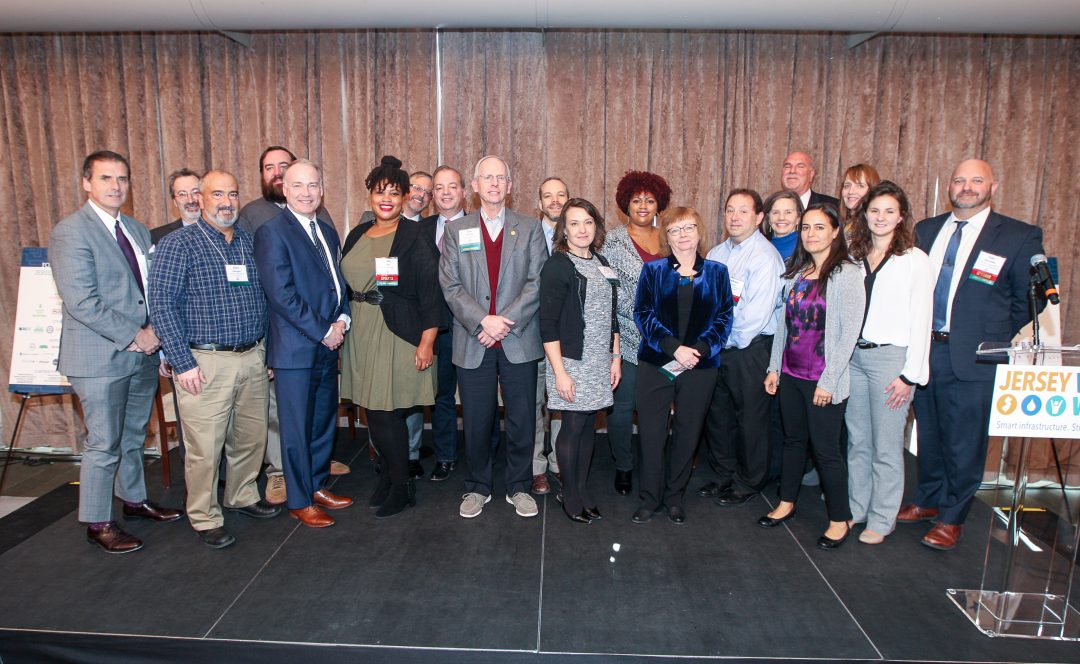

 A statewide coalition today unveiled Sewage-Free Streets and Rivers, a coordinated campaign across New Jersey communities with combined sewer systems that overflow raw sewage during heavy rainfalls. These overflows can cause sewage backups into basements and streets, and dump an estimated 23 billion gallons of raw sewage into New Jersey’s waterways annually.
 Recent flooding has exposed the need to address the City of Camden’s aging sewer system. Mayor Frank Moran recognizes the challenge and is working on a plan to reduce flooding and combined sewer overflows. “We can put together a plan, as we put the right folks in office into position to make the determination as to what it is that we need to do,” Moran said.